


Quarterly fish guard experience
From time to time, typically every quarter or six months, our association reports on its experiences in fish conservation and fish management activities to all those who are interested in our fishing waters, their fish stocks, and the condition of the watersides.
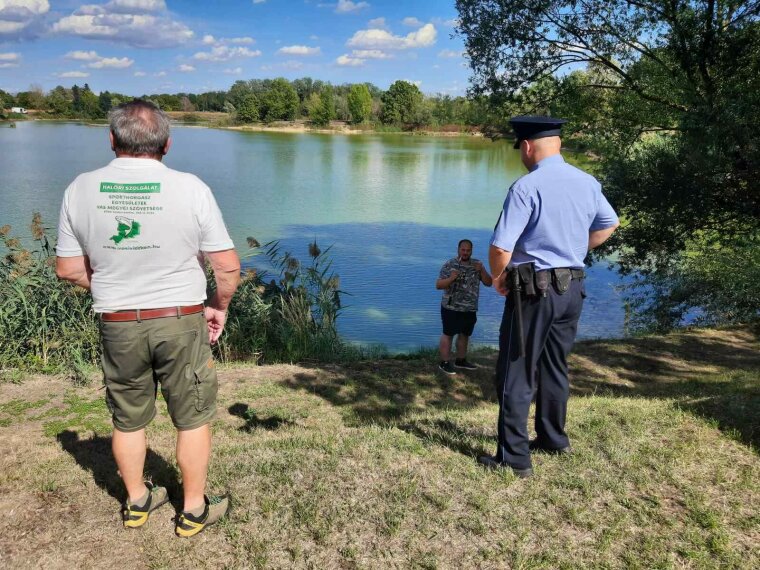
It is hardly surprising that this year's fishing and fish management activities were fundamentally determined by the extraordinary lack of precipitation and the resulting persistent water shortage. Our professional fish keepers and their helpers, in addition to their usual fish guarding, inspection, maintenance and fish stocking tasks, as well as their participation in events and fishing competitions, faced the consequences of the drought in almost all of our water areas.
In several cases, the situation was no longer simply a fishing or fish management problem. Due to the critical water conditions, we made official notifications in several locations, and where fish stocks were in immediate danger, we also carried out fish rescue operations. We continuously informed anglers and the public about fish rescue events.
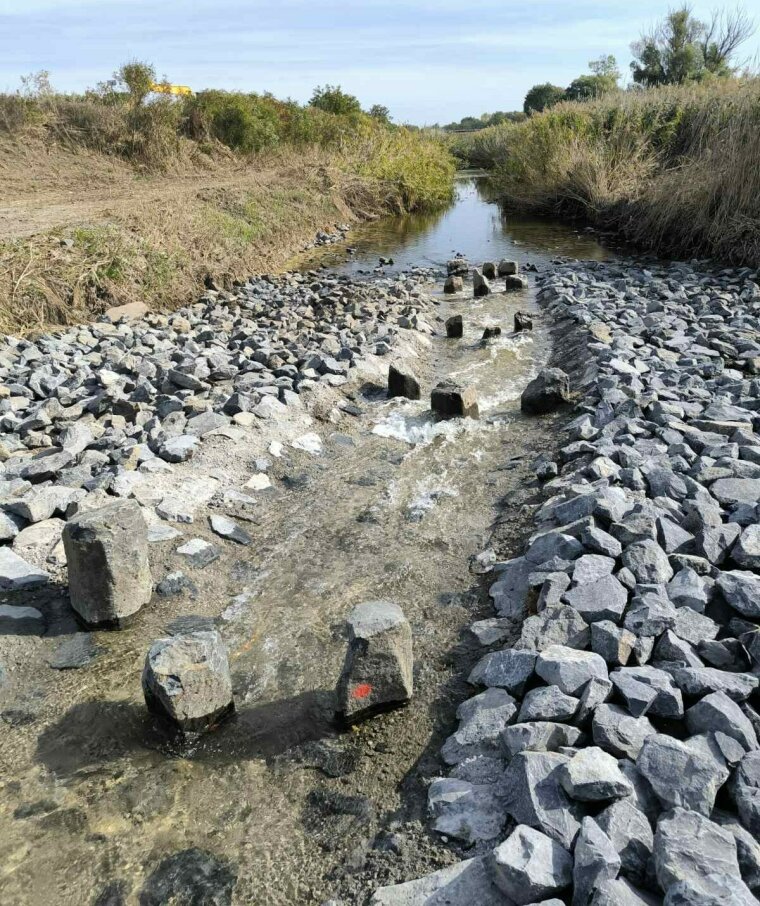
Despite the many negative experiences, we can also report positive developments. We have previously reported on the two water level control dams being built on the Marcal River by NYUDUVIZIG, the construction of which will be completed soon. The completion of the structures alone cannot, of course, replace the missing rainfall, but with adequate water flow, they can contribute to water retention and the development of more favorable water levels. If a sufficient amount of rainfall is received in the period ahead, the investment is expected to help improve the water balance of Lake Merseváti.
This year has once again clearly shown that fish farming is no longer just about stocking and protecting fish. It is also increasingly important to conserve water, protect habitats, manage emergency situations and, if necessary, directly save fish stocks.
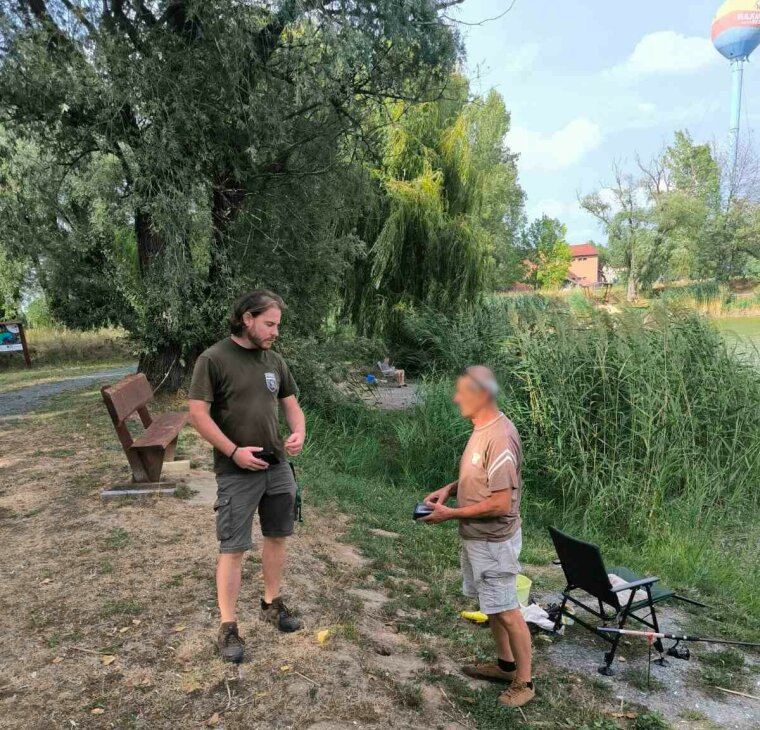
In the first three quarters of the year, our professional fish guards conducted inspections of 8,781 anglers, according to the data from the fish guard application. During the inspections, nearly 120 written warnings were issued, primarily for minor fishing violations.
In a total of 60 cases, it was necessary to record an on-site report. In the recent period, we have again encountered more frequent cases of unauthorized fishing, as well as cases where the fish kept was not recorded in the catch log.
Another recurring irregularity is the use of more fishing gear than permitted: there have been cases where people have fished with two rods with a permit authorizing the use of one rod, or with three rods instead of the permitted two. In several cases, action had to be taken due to violations of the lower or upper size limit.
Unfortunately, during some inspections, police assistance had to be requested due to the behavior shown towards the fish guards who were taking action. Such circumstances may also be taken into account by the fish management authority when assessing violations and determining possible fines and bans from fishing.
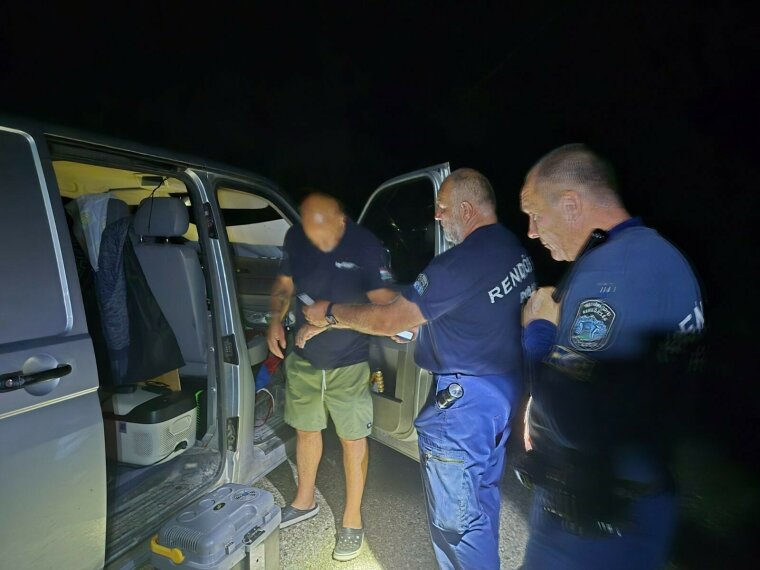
In addition to the numbers, we consider it at least as important to emphasize that the vast majority of our anglers are rule-abiding. Out of nearly 8,800 inspections, on-site reports were required in 60 cases, meaning that no such action was taken in more than 99 percent of inspections.
In our experience, the vast majority of anglers consider the presence of fish guards and inspections to be natural and necessary. It is in our common interest that the shores of our fishing waters are clean and tidy, that fishing takes place in civilized and safe conditions, that everyone follows the rules, and that an adequate fish stock ensures the fishing experience.
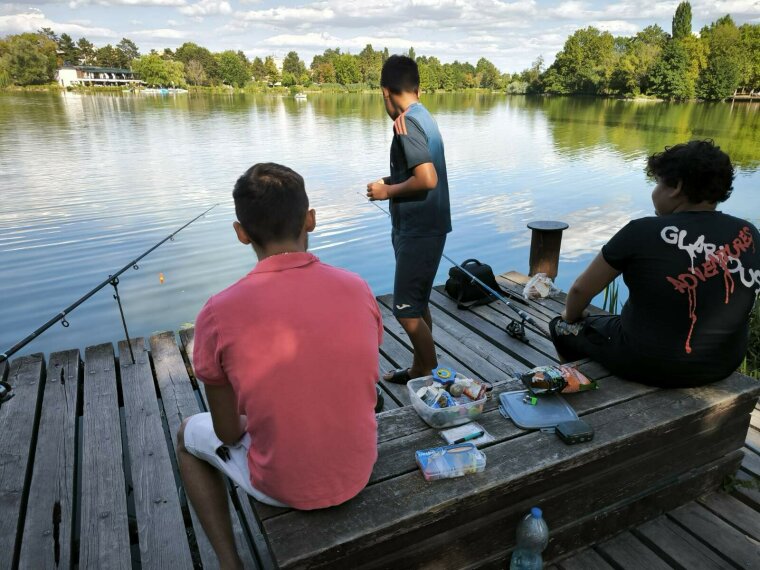
In addition to our own fish guard experiences, our Association has recently received two comments from other area users that we would like to draw the attention of fellow anglers to.
The regional chief hunter, who assists those authorized to hunt in their professional work, informed our Association that based on the experiences of the more intensive hunting season that began in September, in several places – primarily along the Rába River – night anglers do not always ensure that their fishing spots are properly illuminated. Failure to do so not only constitutes a violation of the fishing regulations, but in extreme cases can also create a serious risk of accident.
In addition, several farmers indicated that some anglers drive their vehicles along the edges of cultivated agricultural areas instead of using the more difficult dirt roads. Regular vehicle traffic on these areas can cause trampling and other damage, and in extreme cases, it can even make cultivation impossible. The problem was primarily reported along the Rába River, in the Püspökmolnári and Ikervár areas, and in the vicinity of the power plant canal.
We therefore ask our fellow anglers to ensure that their fishing spots are properly lit when fishing at night, and to use only roads that are suitable for traffic when approaching fishing spots. Do not drive your vehicle onto agricultural land owned or used by others, and do not cause damage to farmers by driving.
In addition to following the fishing regulations, it is also our shared responsibility to protect the shores, respect the work of other land users, and preserve our natural assets. We thank the thousands of fellow anglers who contribute to this with their everyday behavior.
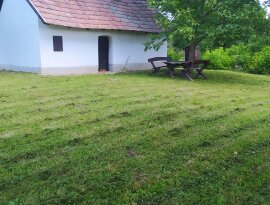
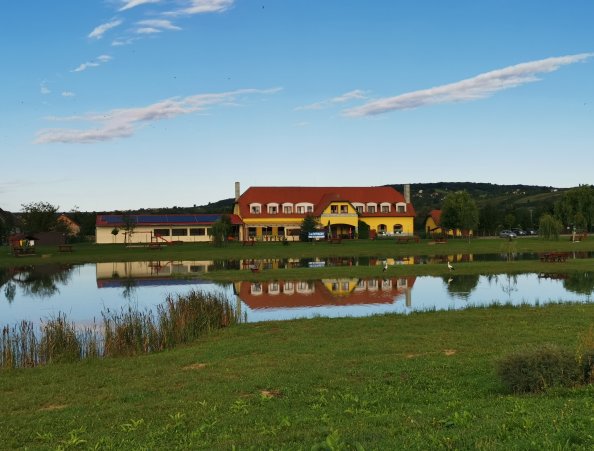
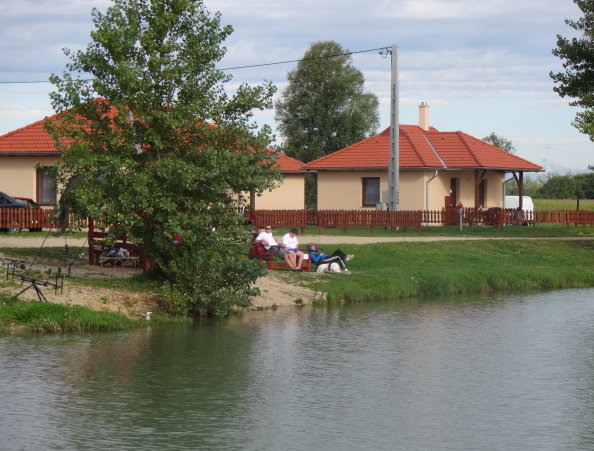
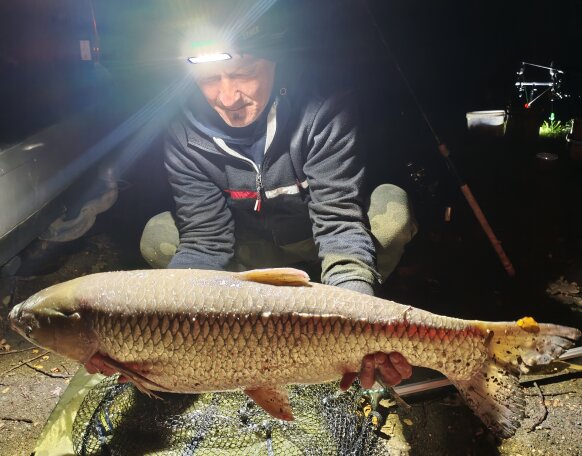
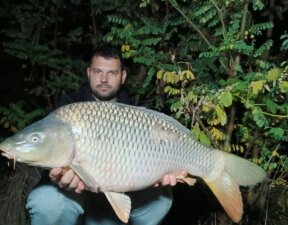
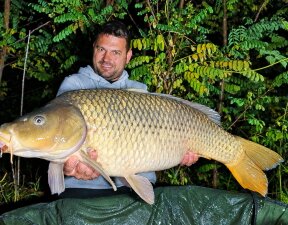
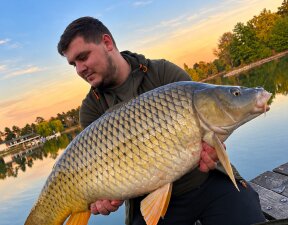
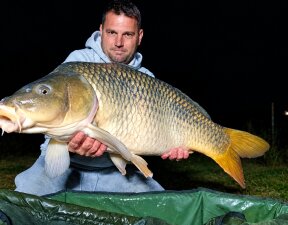
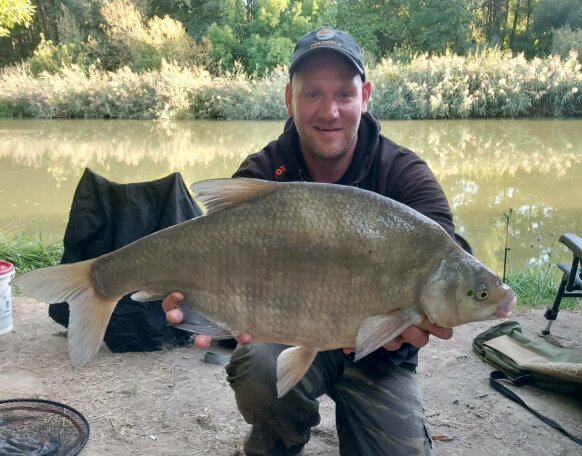
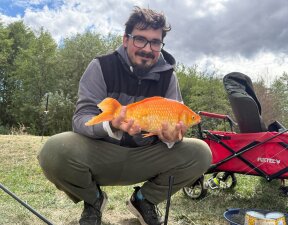
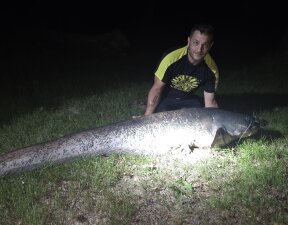
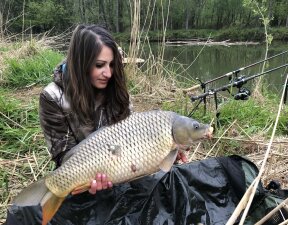
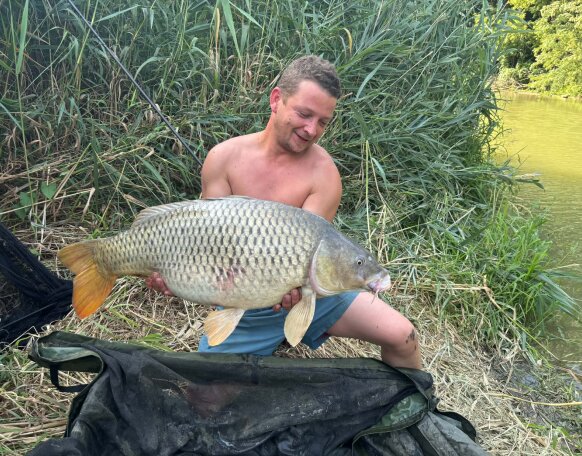
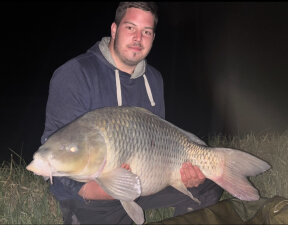
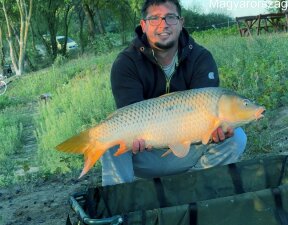
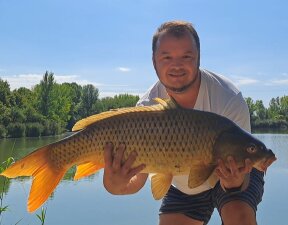
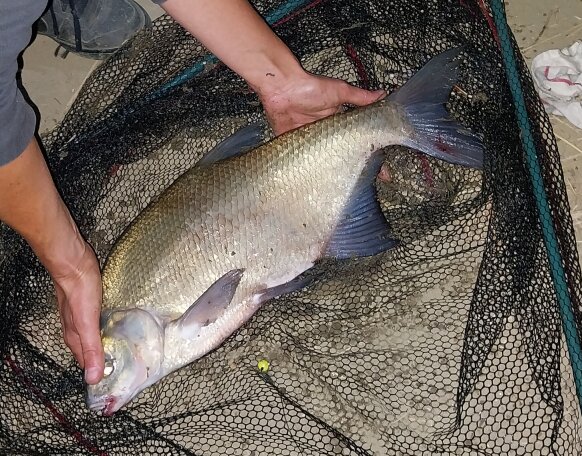
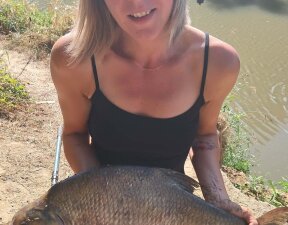
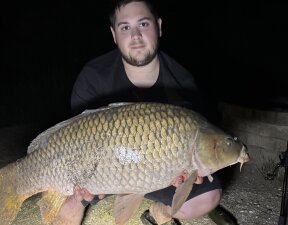
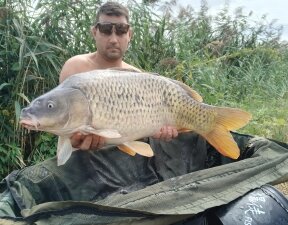
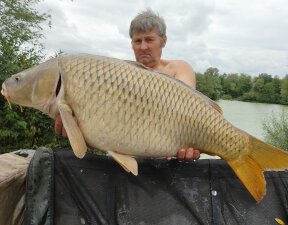
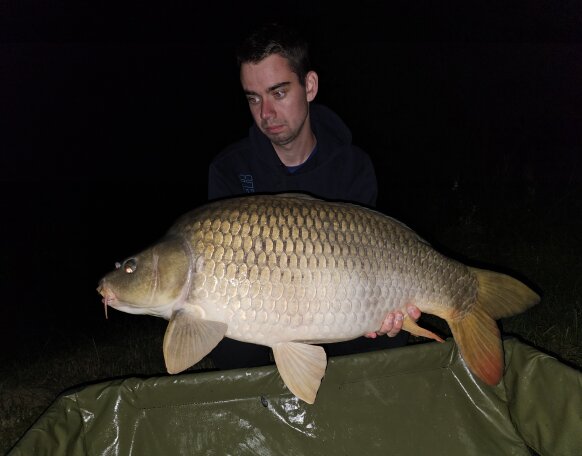
Finally, we consider it important to note: the fellow fishermen in the photographs attached to our report were of course fishing legally, and our fish wardens did not need to take any action against them. The pictures show moments of everyday fish warden inspections.