


January situation report of the great cormorant population
Our anglers may be used to reporting on the presence of great cormorants in the water areas we manage in January. With the cold winter weather, which is considered unusual but not extraordinary these days, and the permanent freezing of standing waters, the number of great cormorants appearing in the county and damaging the fish stocks in the rivers has noticeably increased.
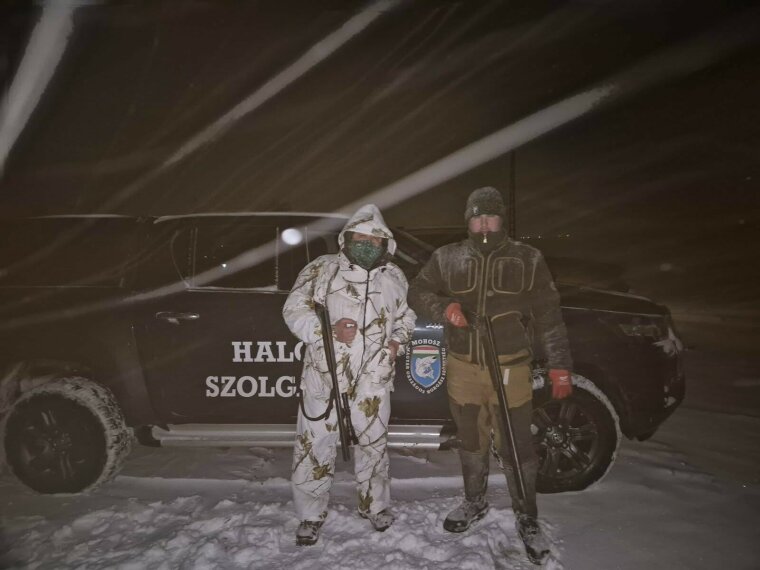
Similar to previous years, based on reports from our professional and community fish guards and anglers, we have periodically observed larger cormorant flocks in certain sections of the Marcal, Pinka and Rába rivers. With the available personnel and financial resources, the realistic goal of our Association may still be to reduce the extent of damage caused to the native fish stocks of natural waters and the fish stocks established from angler payments, as much as possible.

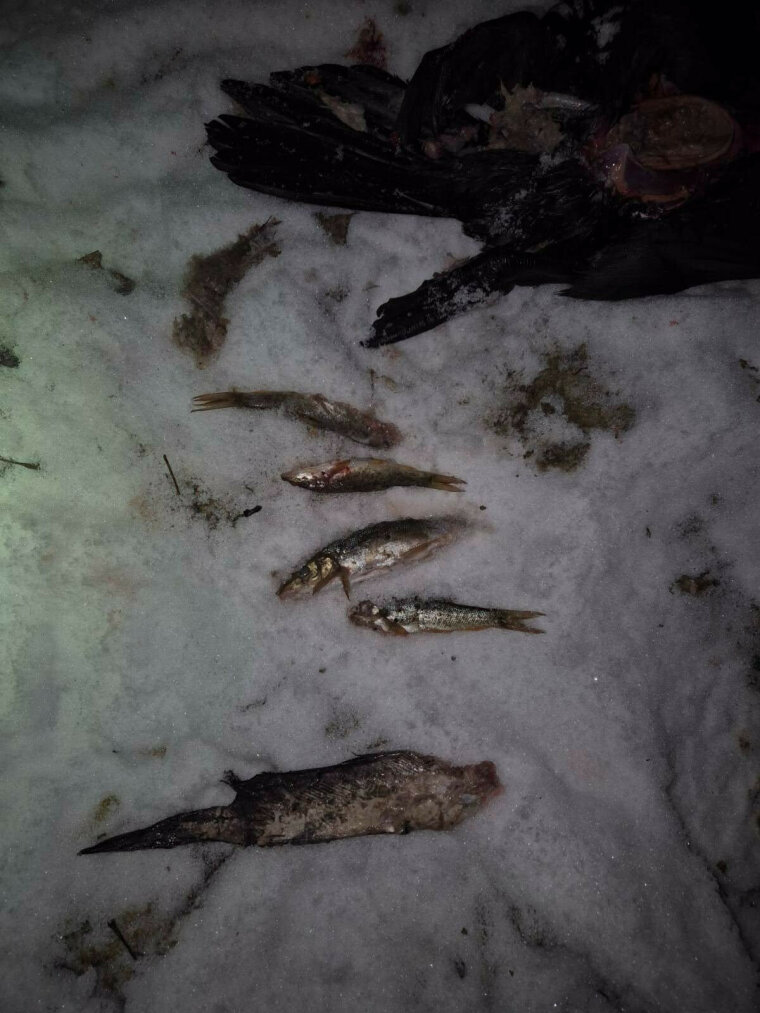
In order to verify the complex damage (fish consumption, injury, disturbance, stress-related weakening) discussed in many professional forums and professional materials, our fish guards break up the captured and collected cormorants, based on which it can be established that the national experience is also true for our county, the birds primarily prey on species native to our rivers, cylindrical or elongated in shape (barrel, bream, chub, catfish, pike perch, bream), which, despite their high fish farming value, are difficult or impossible to obtain from fish farmers. In addition, we have found protected or highly protected species among the prey of the cormorants on several occasions.
In addition to other provisions contained in the applicable legislation, armed thinning in protected areas or areas covered by Natura 200 may only be carried out with the notification of the nature conservation manager if the number of cormorants exceeds 30 on two consecutive days in a body of water or in a 1 km stretch of river.
Based on the agreement with those entitled to hunt, the culling of great cormorants can be carried out in unprotected water areas or in water areas classified as special bird protection areas without a separate official permit for cooperating hunters and our professional fish guards. Our Association staff provides training to all those participating in the alert or culling on the difference between the cullable great cormorant and the highly protected little cormorant, as only if the species are clearly distinguished can the authorized person participate in culling.
We would like to reiterate to anglers and non-anglers concerned about the natural environment that our Association accepts fish-eating mammals and birds as part of natural communities, but in addition to the negative impacts on our waters, we are definitely trying to reduce the burden on winter fish stocks from the annual arrival of large cormorants.
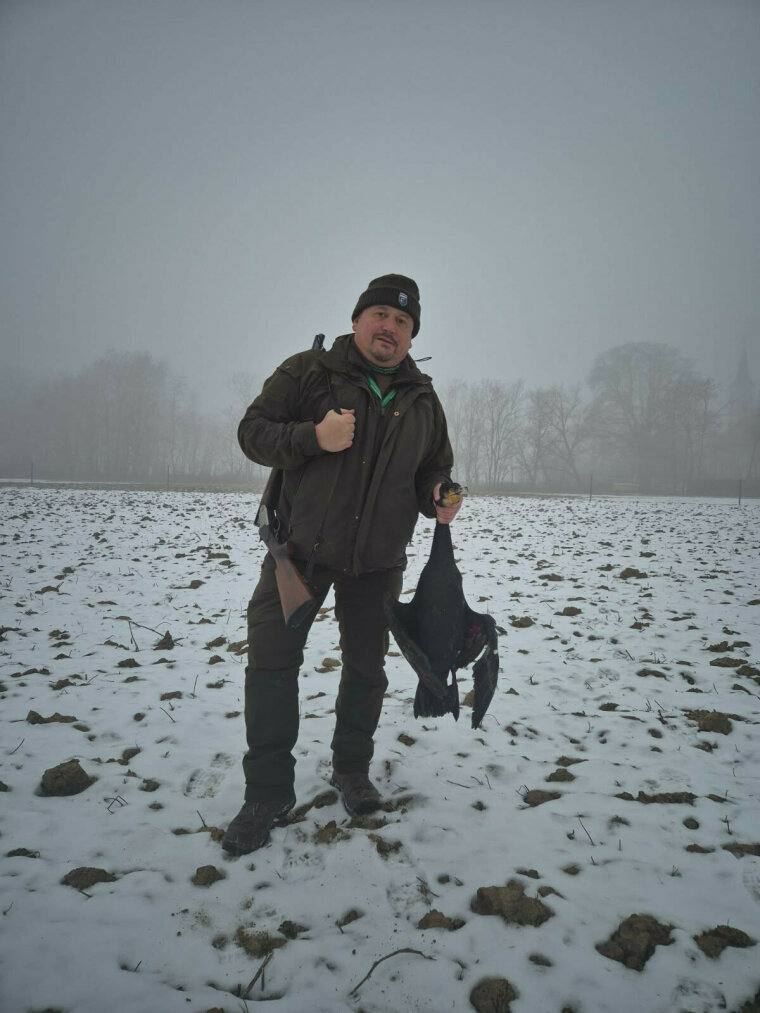
By mid-January, our professional fish guards and professional and sport hunters participating on behalf of those authorized to hunt had brought 63 large cormorants to the table, according to our records. We would like to thank all our helpers who participated in the thinning and alert activities for assisting our fish guards in their work, and special thanks go to Levente Komáromi and his fellow anglers who frequent the whitewater, who provided accurate information about the presence of cormorants, their sleeping places, and their movements, thus facilitating the efficiency of the activity.
In addition, we would like to thank all those who have signed agreements with our Association and are participating in the reduction and warning activities for their cooperation in ensuring and providing the opportunity to reduce the damage to native fish stocks.