


Fight for the fish of Gyöngyös
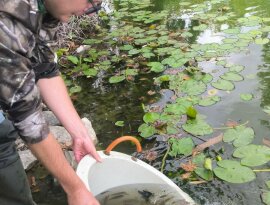
We have previously reported on the desperate situation of the Gyöngyös stream, which has unfortunately deteriorated further in the last 10 days. Our employees and their volunteer, often non-fishing helpers who joined them, have been trying and are trying to save the stranded fish in the most critical sections of the slowly disappearing stream, in the remaining sections covered with more or less water.
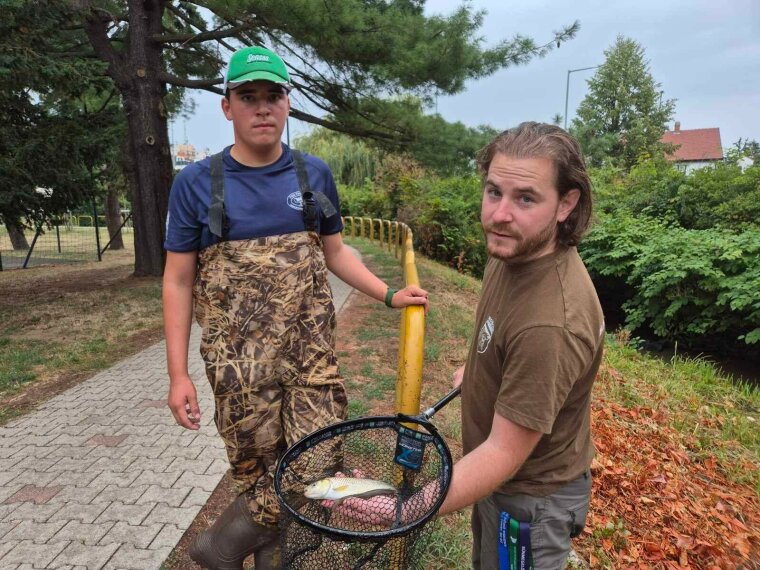
Since river fish species are in the "best place" in their original habitat, while we still experienced flow in the separated sections despite the lowered water level, we only attempted to rescue fish where it was truly justified.
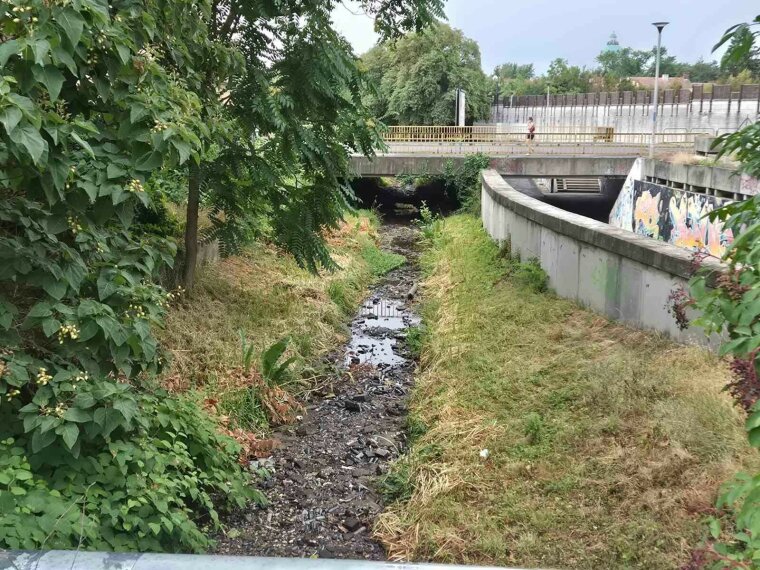
Unfortunately, by the beginning of the holiday week, the minimal amount of water had also stopped flowing, so it was necessary to save the fish that had gathered in some places due to their high - in technical terms - "gill count" before they developed a lack of oxygen that would lead to their death.
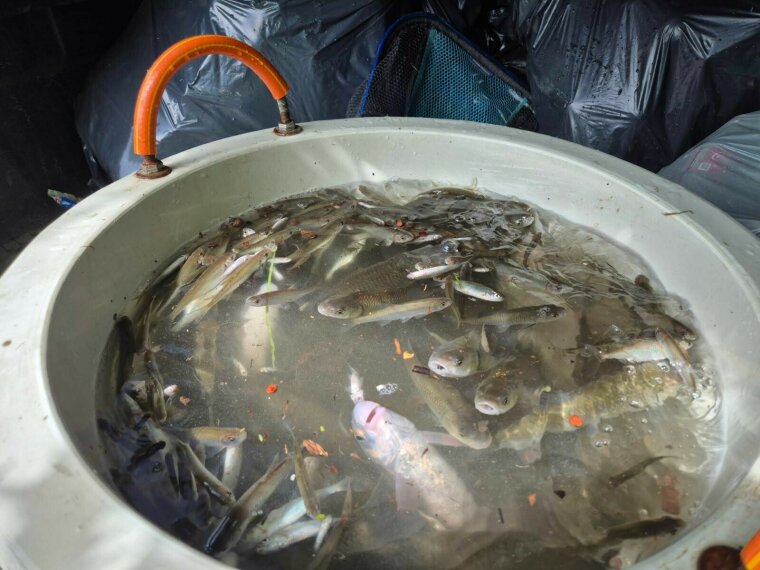
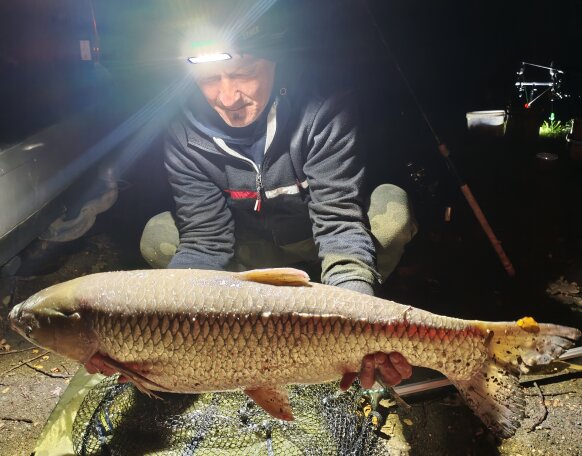
The majority of the species rescued are chub of various sizes, but there were also a good number of rudd, mullet, rainbow bream, bottom-dwelling pike (more recently Danube pike), but also occasionally roach, red-winged bream, stone trout, brown trout, and, as a not-so-pleasant surprise, invasive sunfish and silver crucian carp. The latter cannot be relocated to other water areas under current legislation.
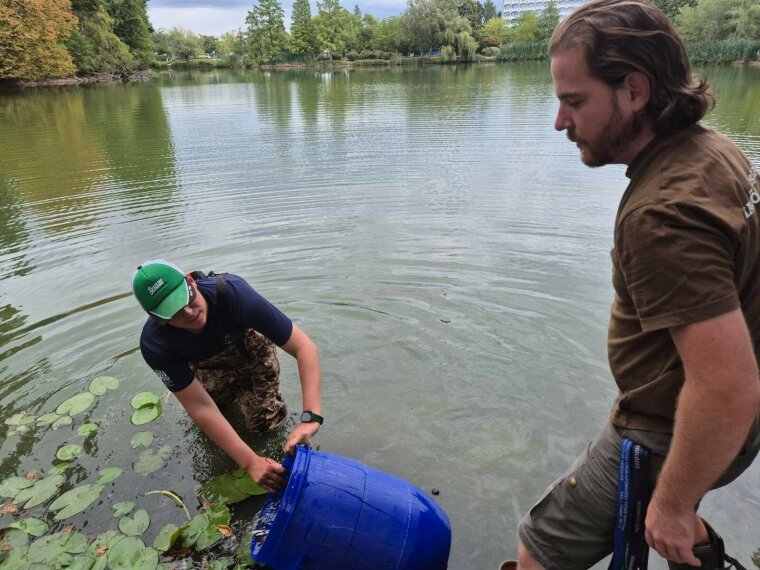
In order to relocate the large amount of fish, 300-400 in some places, with as little mortality as possible, - taking into account the distance between Rába and Pinka, which are the most suitable for reception - our Association's staff relocated the rescued fish stock to the nearest Csónakázó-tó in Szombathely and to Lake Újperinti I. sz. . The amount of fish rescued in the Gencsapáti area was successfully relocated to the upper section of the Gyöngyös-patak, which is still filled with water.
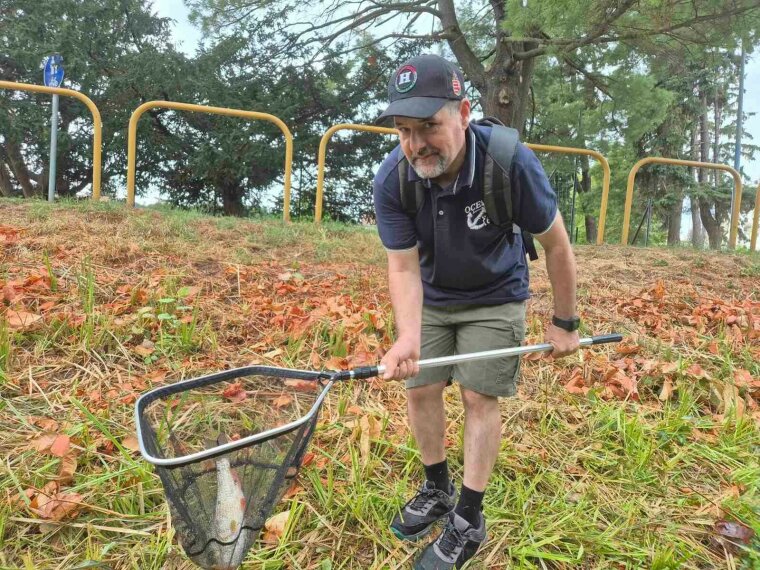
Based on experience, depending on the size of the water body and the species and size composition of the fish, 40-70% of the fish population in small streams can be saved, since - especially among the bottom-dwelling species - the smaller and fry-sized individuals often hide between vegetation and stones. For this reason, no one should be surprised if they repeatedly see fish gathered in the shrinking water in an already "saved" area, this does not mean that the task was not done or that we did not do it well. It is unfortunate, but in such cases, due to the continuous decrease in water, some of the stranded fish cannot be saved. A common problem is that stranded fry cannot be saved from an area in a way that would give them a realistic chance of survival after relocation.
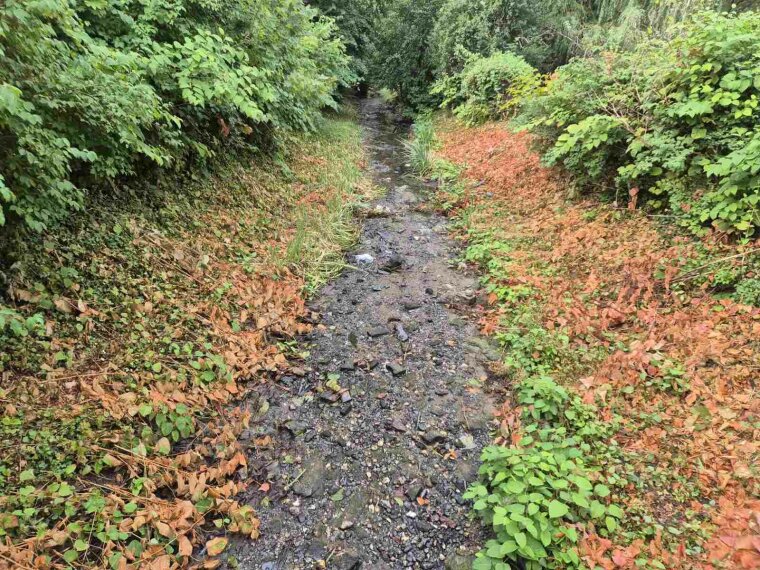
During the fish rescue that took place throughout the week, our staff naturally returned to a given location several times when necessary, and if possible, they will continue to rescue fish in the coming period.
As before, we ask fishermen and local residents concerned about the fate of fish stocks to notify our Association or professional fish guards directly, if they notice fish stocks in danger and in need of rescue, not to report the problem on social media.
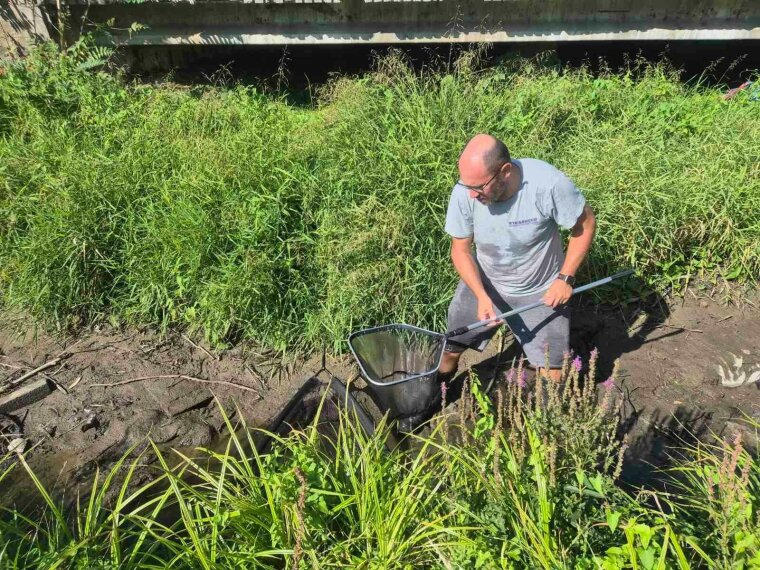
We would like to thank everyone once again who contributed to the protection of our fish stocks in this extremely difficult situation by working, reporting, marking locations, volunteering, providing water access, or with a few kind words!
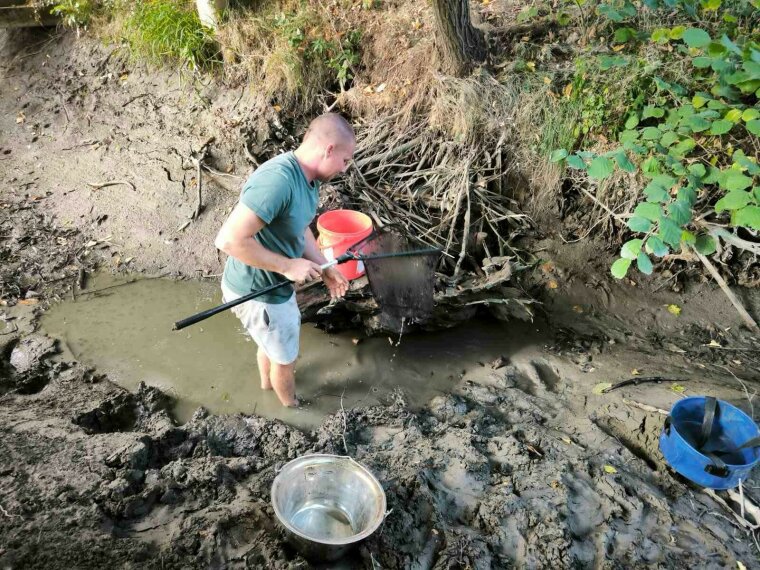
Without claiming to be exhaustive - without intentionally forgetting anyone - we would like to express our special thanks to the following helpers who assist our professional fish keepers and who independently rescue fish:
Tamás Farkas, Zalán Máthé, Balázs Németh, Gellért Pankotay, Dr. Csaba Tóth, Mátyás Tóth, Zoé Búzás, Attila Kornél Kiss, Gábor Hujber, Adrián Kovács
Related gallery